

Last year, I learned something that stopped me in my tracks. I’ve devoted my much of my time to exploring NC!
How did I now know this before?
Every year, huge white birds called tundra swans fly thousands of miles from the Arctic just to spend winter in North Carolina.
That wasn’t just a cool fact.
It felt like an invitation.
So I made a promise to myself: I wasn’t just going to read about them. I was going to go find them.
One January morning, I packed my car in Raleigh and headed east toward the coast. I mapped out a few likely places and started with the closest I didn’t know where I’d end up finding them.
I only knew I was chasing something wild, beautiful, and very real.

What Are Tundra Swans?
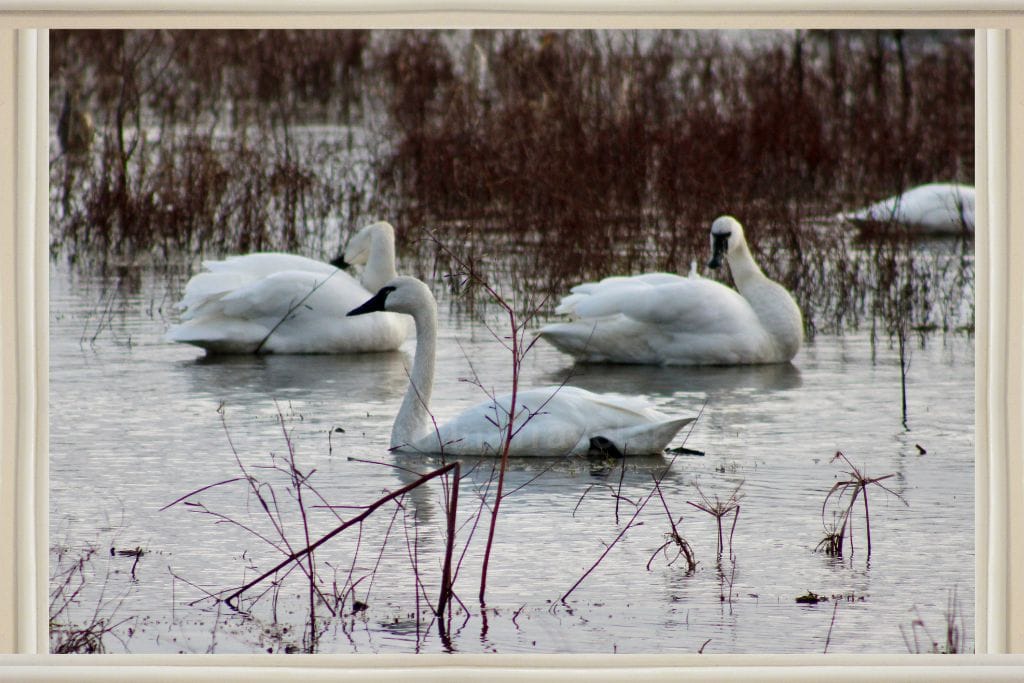
Tundra swans are large, white birds with long necks and black bills. Some have a small yellow spot near their eyes. They are sometimes called whistling swans because of the soft, musical sounds they make when they fly.
These are not park swans.
These are wild migratory birds that live on lakes, marshes, and farm fields.
When Do Tundra Swans Come to North Carolina?
Tundra Swans come from the Arctic and sub-Arctic tundra of Alaska and northern Canada where they breed in remote areas before migrating south for winter.
They arrive in North Carolina in late fall, usually October or November and stay through the winter leaving in February or early March.
The best time to see them is December and January, when the largest flocks arrive.
They come here because northern lakes freeze. North Carolina stays warmer and has food, so it becomes a winter home for them.
Why Do Tundra Swans Migrate So Far?
Tundra swans breed in the Arctic, where summer is short and food disappears quickly when winter comes. When lakes freeze and plants are buried under ice, they have no choice but to move.
So they fly thousands of miles south to places like North Carolina, where they can find open water and food.
And that food isn’t just in lakes.
As I was driving through Mattamuskeet National Wildlife Refuge, searching for the observation deck, I suddenly came around a bend and saw a huge flock of swans in a wide open field.
They were everywhere — white bodies scattered across the farmland like fresh snow, all quietly feeding. That moment made it click for me: these birds don’t just rest on water. They use the farm fields too, eating leftover grain after harvest so they have the energy to survive the winter.
Watching them there, in the middle of a field, felt like seeing a hidden side of their story — not just elegant birds on a lake, but travelers doing whatever it takes to keep going.
Where Can You See Tundra Swans in North Carolina?
This is the question everyone asks — and this is what I found on my own road trip.
Pettigrew State Park (Lake Phelps)
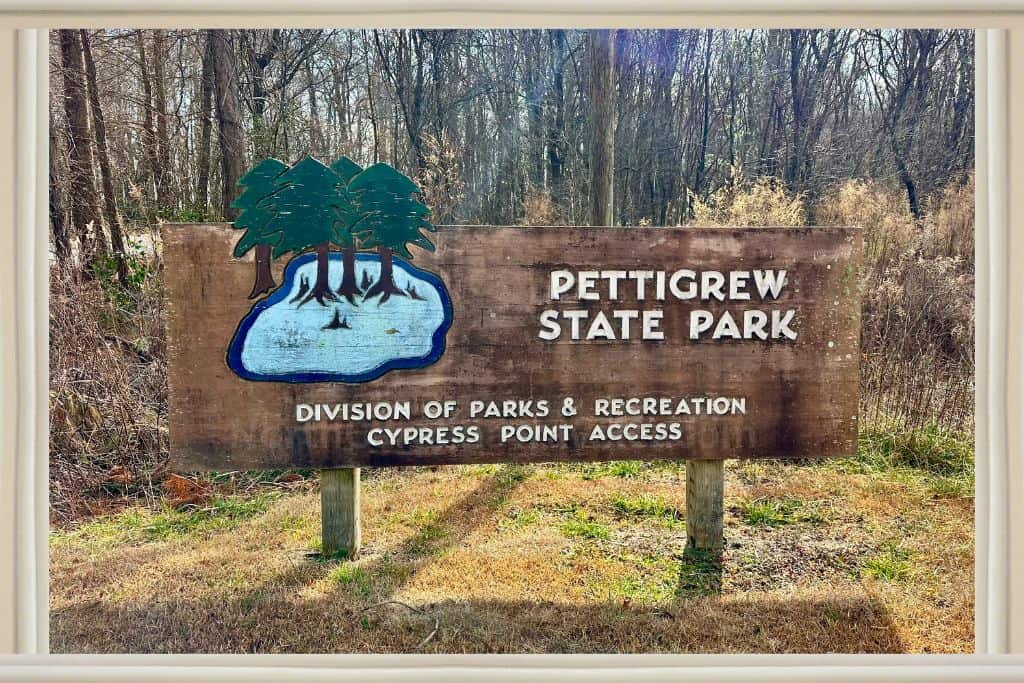
This was my first stop. Google mentioned this as a good spot to look.
In real life? Not so much.
I could see white specks way out on the lake, but they were tucked behind private land like they knew I wasn’t invited.
From the public pier? Nothing. No swans. Just water, wind, and the quiet realization that sometimes the first stop is just there to teach you what won’t work.
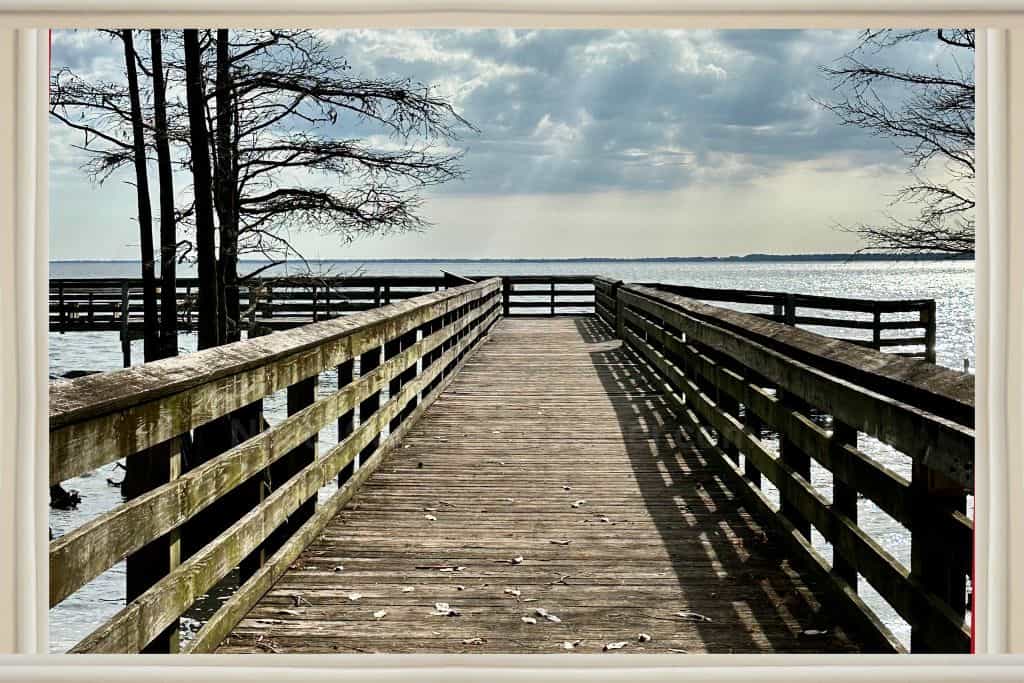
On the way out, I passed a couple of guys with massive camera lenses — the kind that suggest they know things. I asked if they were chasing swans.
They were.
And they casually dropped the name of a place I hadn’t even planned on
Pungo Lake.
So I turned the car and followed a stranger’s breadcrumb.
Pungo Lake (Pocosin Lakes National Wildlife Refuge – Pungo Unit)
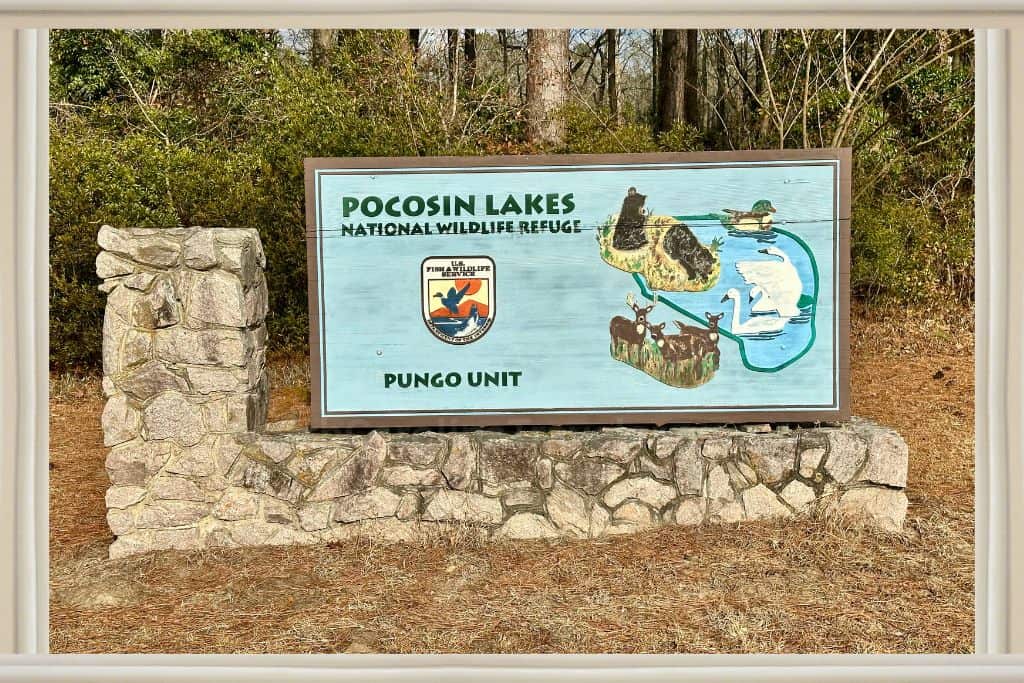
The GPS fought me the whole way — dead ends, wrong turns, the kind of back roads that make you question your life choices.
But eventually I landed at Pocosin Lakes National Wildlife Refuge, Pungo Unit.
I drove, turned, drove some more… and then suddenly — there they were.
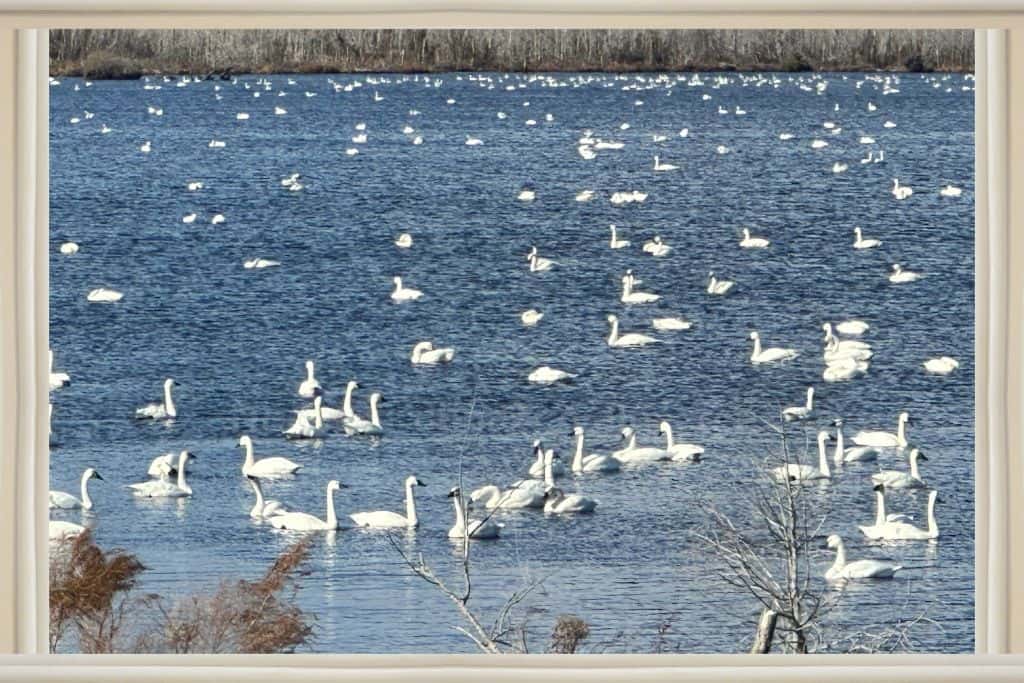
Hundreds. Maybe thousands.
A living, breathing, honking, wing-flapping cloud of tundra swans covering the water like a snowfall that forgot how to melt.
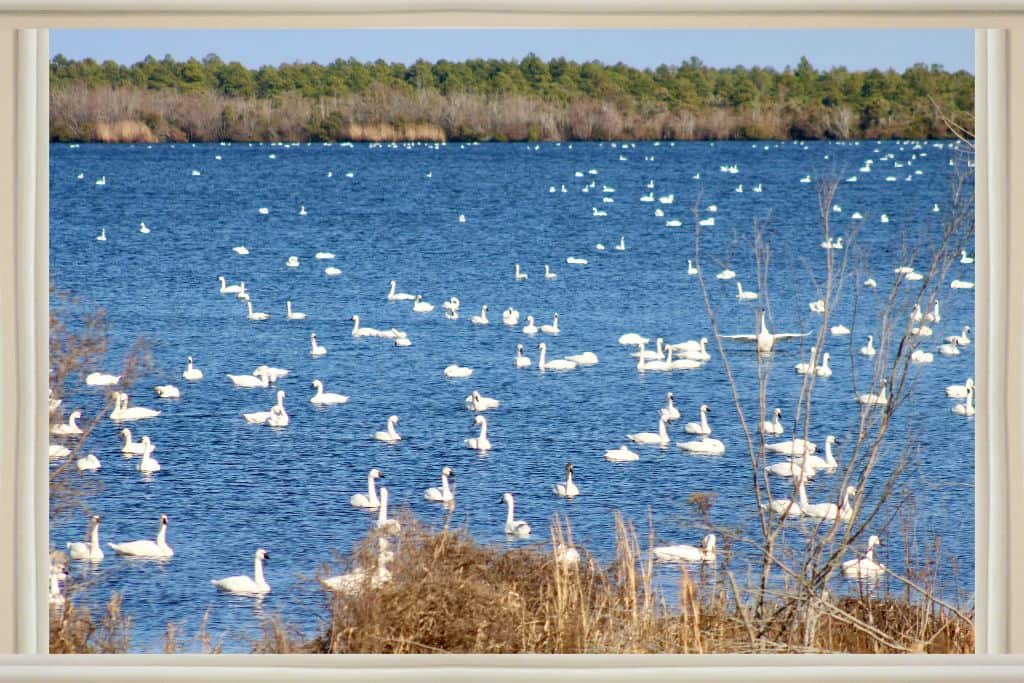
It felt like stumbling into a secret the world forgot to advertise.
I could have gone home right then and called it a win — but something in me said, keep going.
So I aimed for one more place
Mattamuskeet National Wildlife Refuge
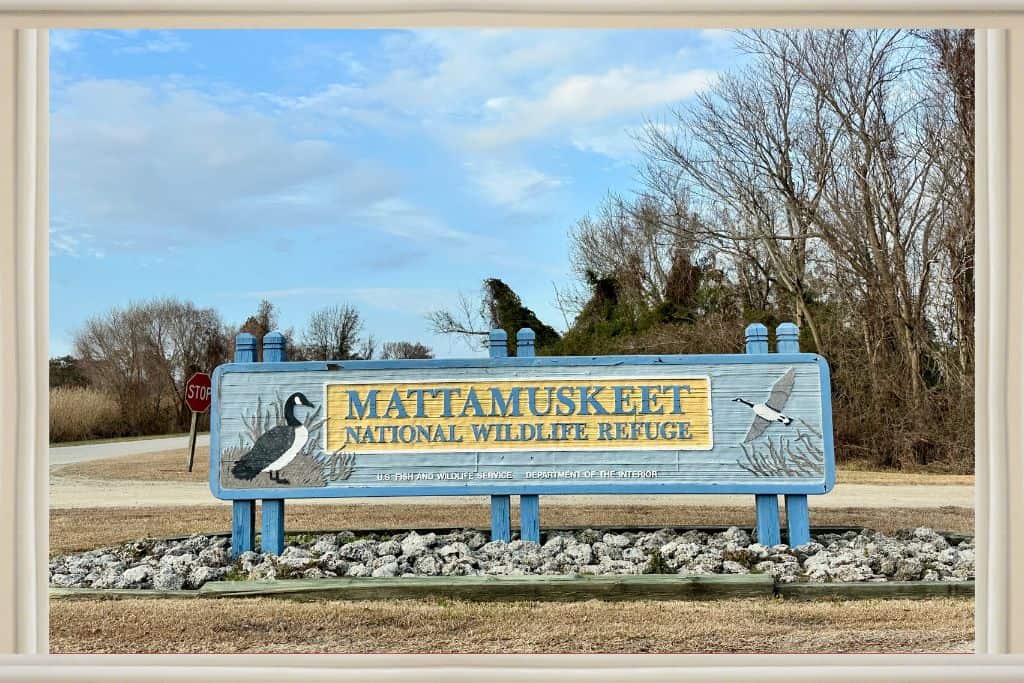
At first it looked like I’d pushed my luck. Miles of nothing.
No birds.
No movement.
I was already rehearsing the disappointment when I spotted a different entrance and took it on instinct.
And that’s when the sky started moving.
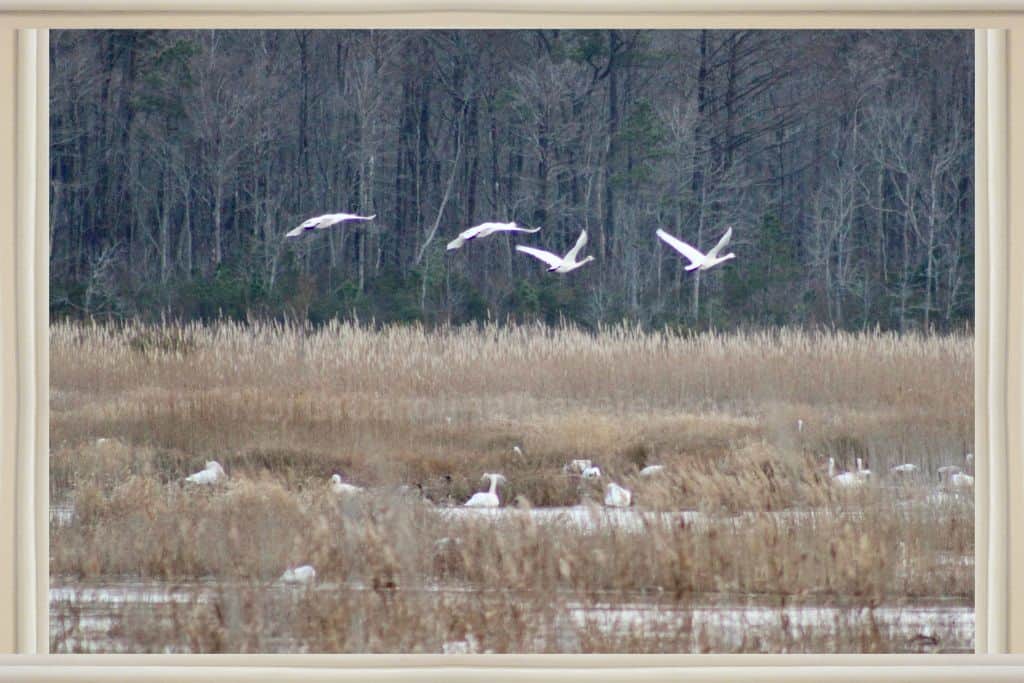
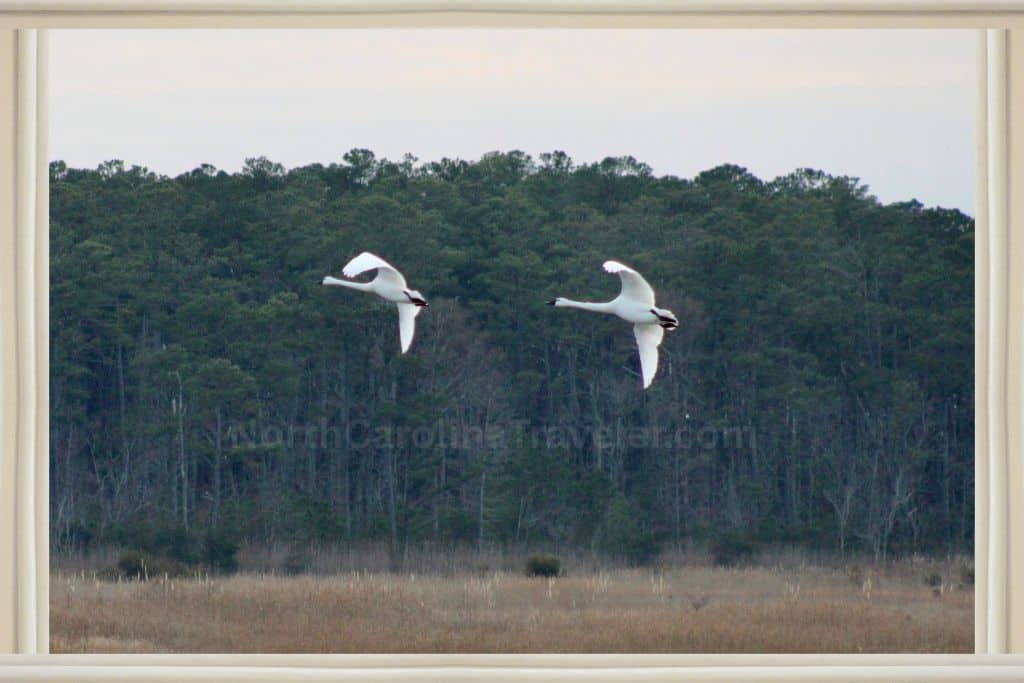
Swans flew overhead.
Cars lined the road. And just beyond the marsh — there they were again.
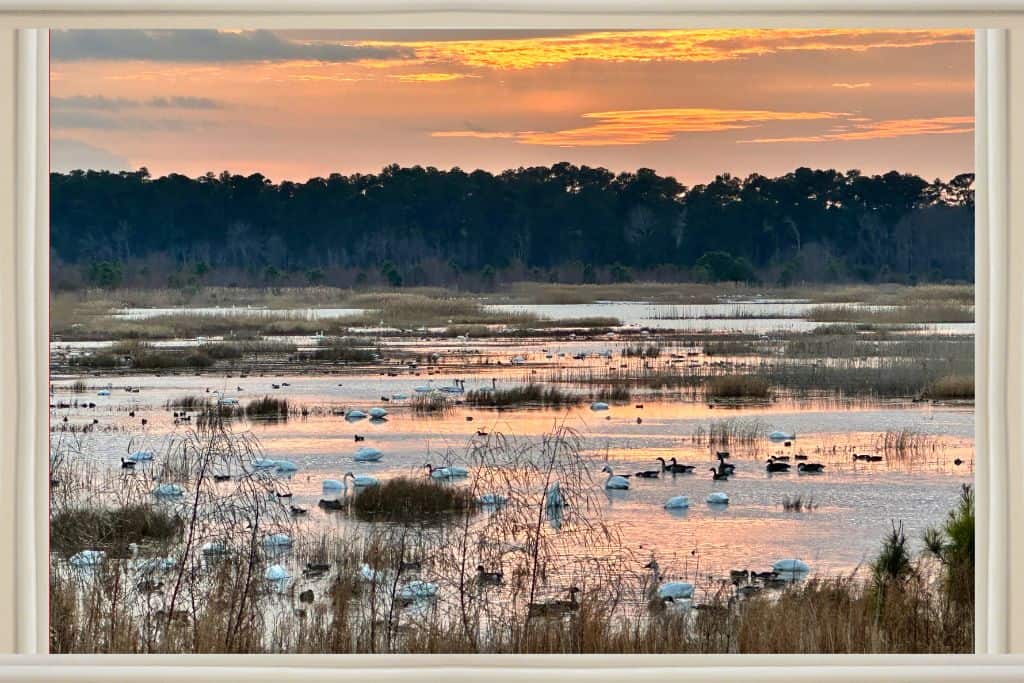
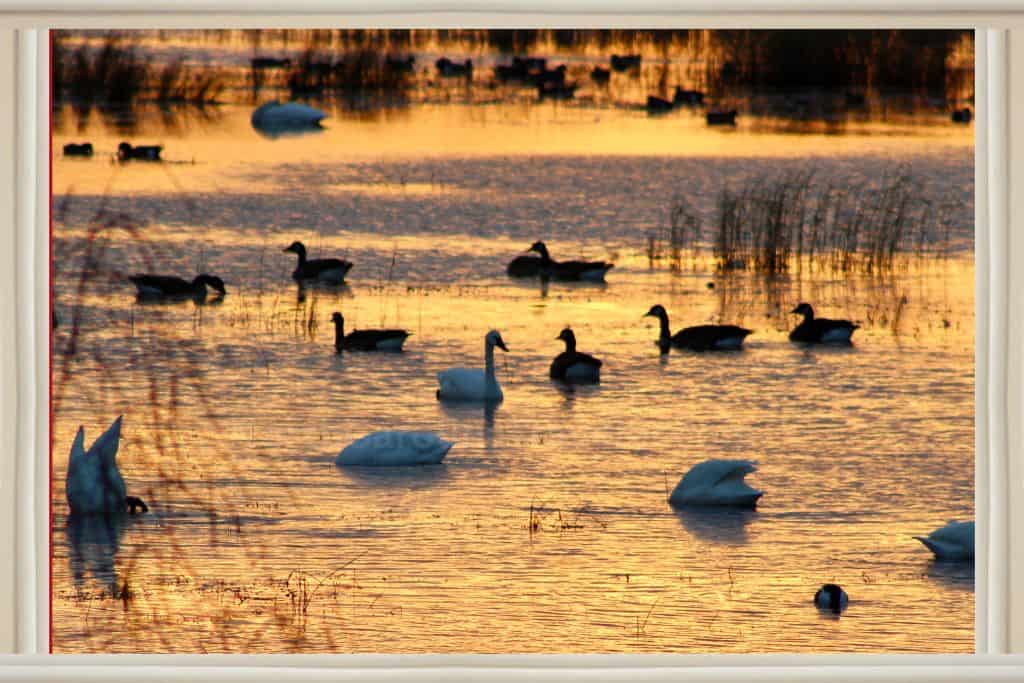
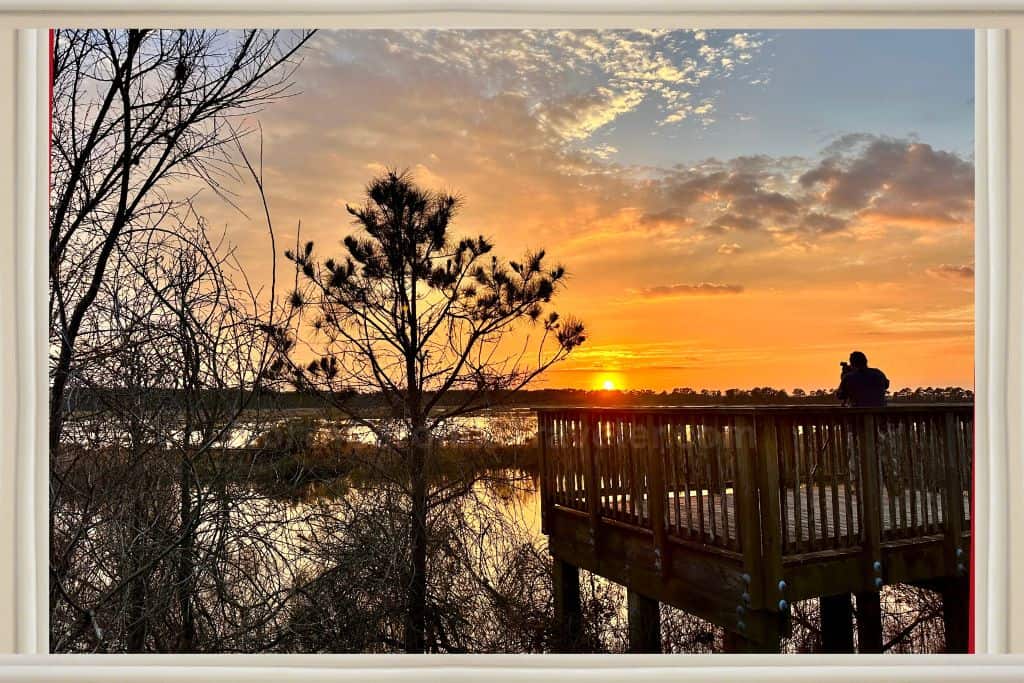
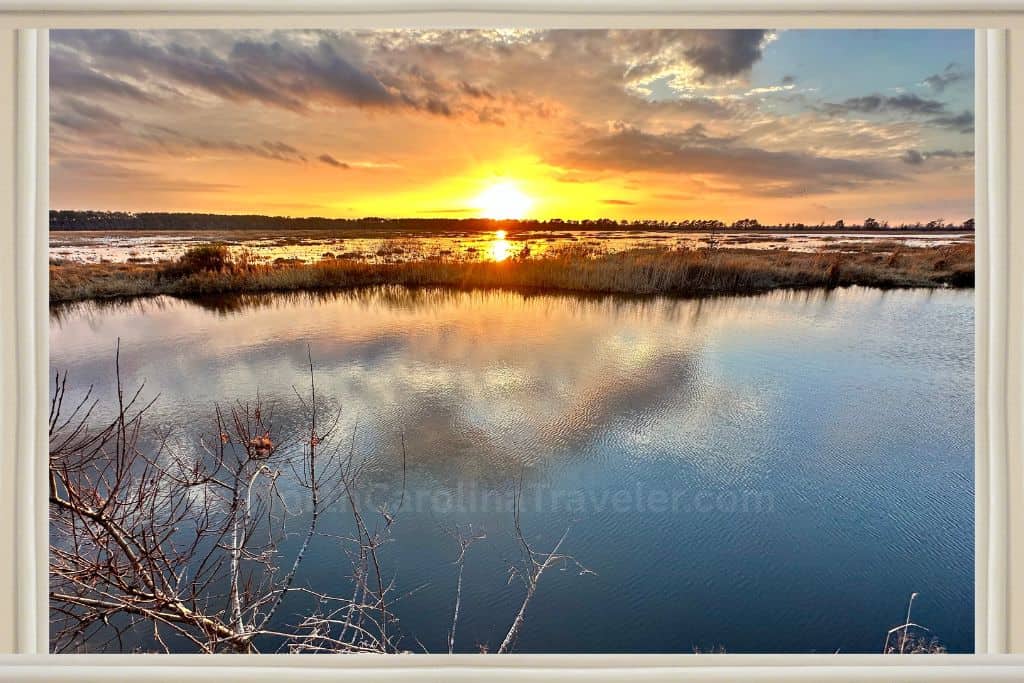
Hundreds more, mixed with ducks and geese, the whole place alive with wings and sound and the slow burn of sunset spilling gold across the water.
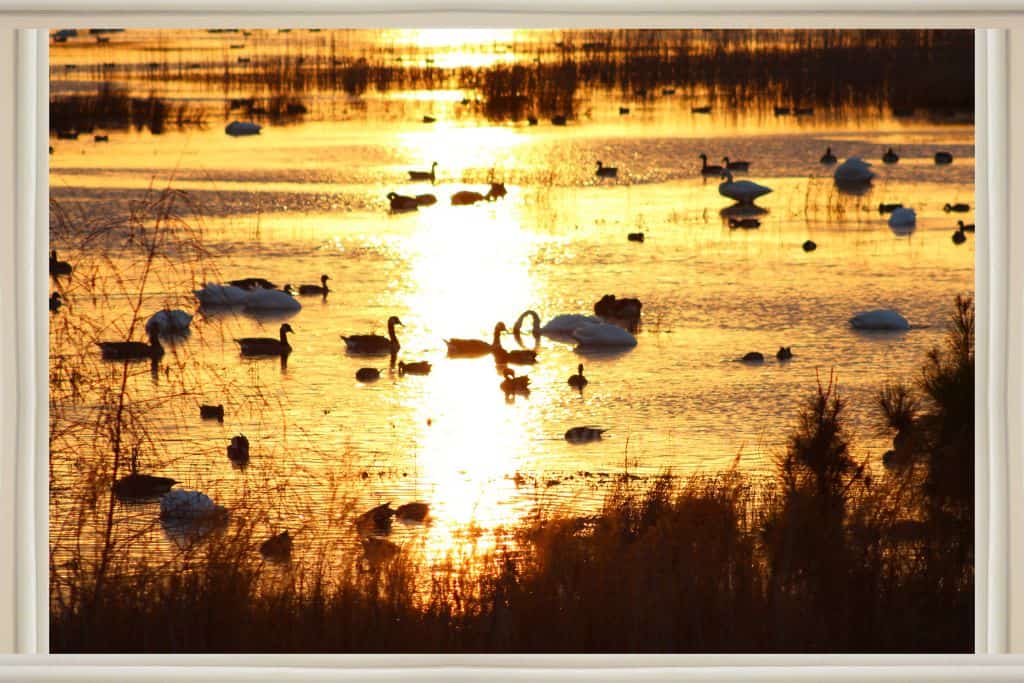
I stood there until the light faded, surrounded by feathers and echoes and the feeling that I had been exactly where I was supposed to be.
Other Places to See Tundra Swans
There are more places I want to explore:
• Pea Island National Wildlife Refuge
• Alligator River National Wildlife Refuge
• Knott’s Island / Mackay Island National Wildlife Refuge
I’ve been to Knott’s Island in summer and seen amazing birds, but I haven’t seen swans there yet. That trip is still waiting for me.
Send me a message at Christy@NorthCarolinaTraveler.com if you’ve seen Tundra swans other places in NC. I’ll add them to the list!
What Do Tundra Swans Eat?
In North Carolina, tundra swans eat plants from shallow lakes and marshes. They also feed in farm fields on leftover grain after harvest.
That’s why you may see them on water or standing in open fields.
Are Tundra Swans Protected?
Tundra swans are protected under U.S. wildlife laws, but North Carolina is one of the few states that allows limited hunting.
They are not endangered, but their habitat is important and needs protection.
FAQ: Can You Hunt Tundra Swans in North Carolina?
Yes — but only in very small numbers.
North Carolina allows tundra swan hunting by special permit. Only a limited number of people are chosen, and the season is short and strictly controlled.
That means:
• Most people cannot hunt swans
• Only a small number are taken
• Rules are in place to protect the population
Standing in front of hundreds of swans makes it clear how precious these birds are.
How to See Tundra Swans (Tips That Work)
1. Go in winter
December and January are prime time. Earlier or later, and the numbers drop.
2. Use multiple locations
Don’t bet on one spot. Swans move between lakes, fields, and marshes daily. There’s no guarantee of where you’ll find them.
3. Look for cars and birders
Pulled-over cars and giant camera lenses are a good sign. That’s how I found the swans at Mattamuskeet!
4. Bring binoculars
Swans are often far out in open water or fields. Naked-eye viewing can be deceiving. Birding binoculars are a smart investment.
5. Follow the light
Early morning and late afternoon are best — especially near sunset, when birds return to roost.
Where to Stay If You Want More Than a Day Trip
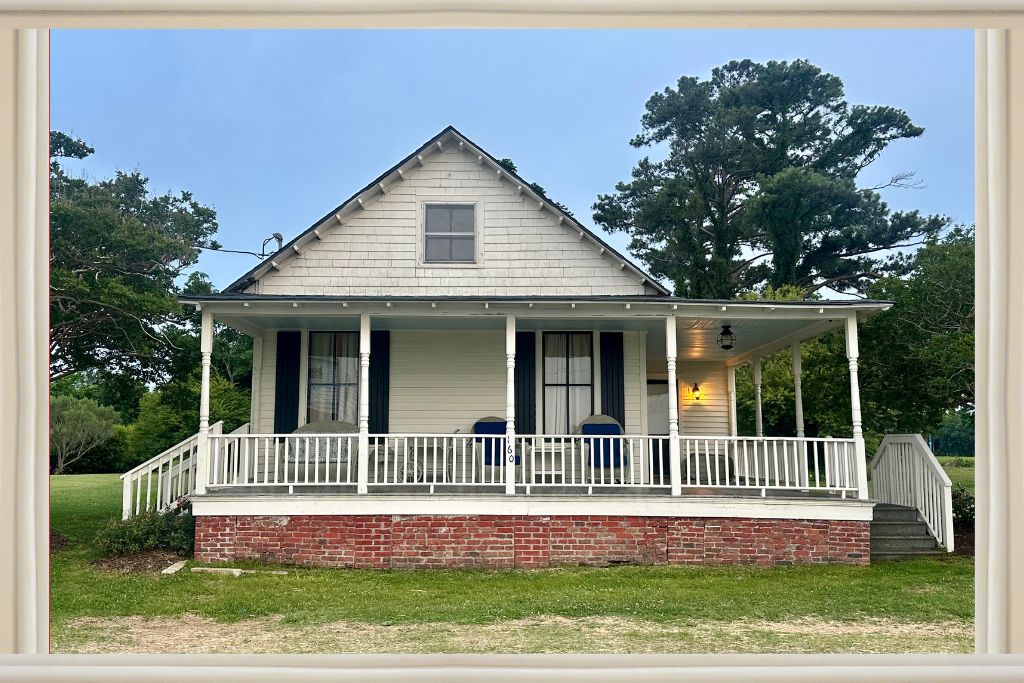
If you’re hoping to see tundra swans at more than one wildlife refuge, here’s an important thing to know: Eastern North Carolina is remote, and lodging isn’t always obvious unless you know which towns to search.
Most refuges don’t have hotels right next door.
Instead, lodging is spread out across small towns, local motels, B&Bs, and vacation rentals that work well as base camps for early mornings and sunset viewing.
Here’s a quick overview to help you plan:
Near Mattamuskeet National Wildlife Refuge
Look in nearby towns like:
Swanquarter • Engelhard • Fairfield • Belhaven
This area leans toward small motels, B&Bs, and vacation rentals rather than traditional hotels.
Near Pocosin Lakes National Wildlife Refuge (Pungo Unit)
Good base towns include:
Columbia • Elizabeth City • Washington (NC) • Williamston
These towns offer a wider mix of hotels, inns, and rentals.
Near Pea Island National Wildlife Refuge
Closest places to stay are the Outer Banks villages of:
Rodanthe • Waves • Salvo (Tri-Village area)
For more hotel options, look north to Nags Head, Kill Devil Hills, Kitty Hawk, and Duck.
Near Alligator River National Wildlife Refuge
Best lodging bases include:
Manteo • Nags Head • Kill Devil Hills
For something quieter and closer to the refuge, Columbia, NC is another option.
Knott’s Island & Mackay Island National Wildlife Refuge
Knott’s Island is one of the most misunderstood places on the map.
Even though Corolla and the Outer Banks look close, they are NOT practical access points. Water and land geography make the drive much longer than it appears.
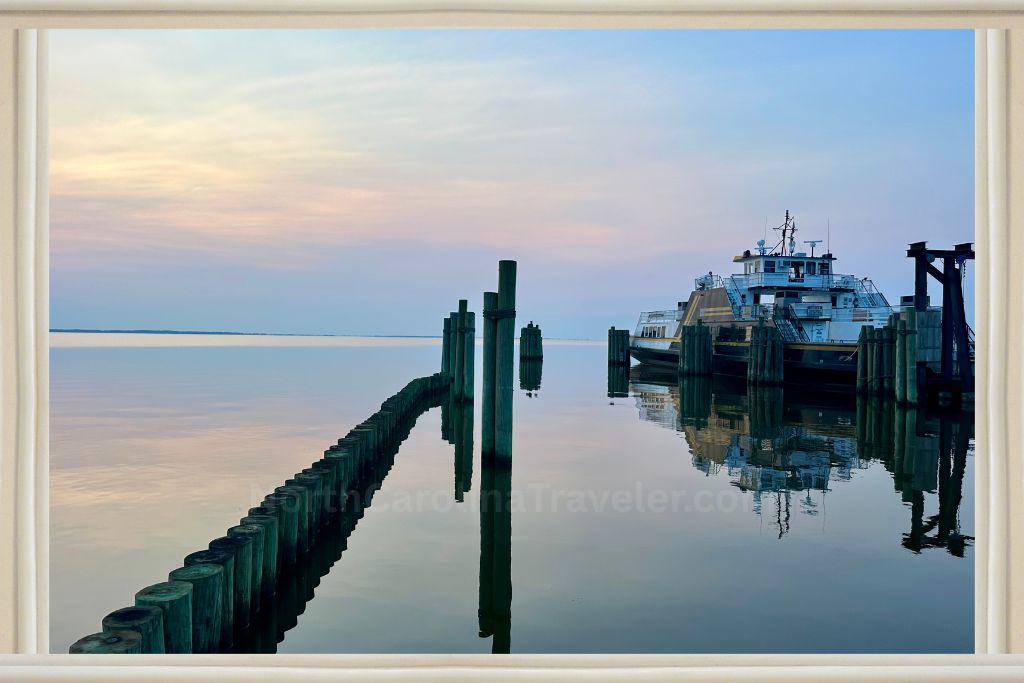
There are only two realistic ways to reach Knott’s Island with a car:
- The Currituck–Knott’s Island Ferry (the closest and easiest NC access)
- Driving through Virginia, entering from towns like Chesapeake, VA

Currituck County is the closest North Carolina access point by ferry.
While some visitors stay in Currituck County, Corolla, or southern Virginia Beach/Chesapeake, others choose to stay on Knott’s Island itself in small inns or vacation rentals to simplify ferry logistics.
Because of distance and access, Knott’s Island is best planned as its own dedicated day or overnight stay.
👉 I’m working on a full guide to where to stay for birding in Eastern North Carolina — including ferry access, base towns, and insider planning tips — and will link it here once it’s published.
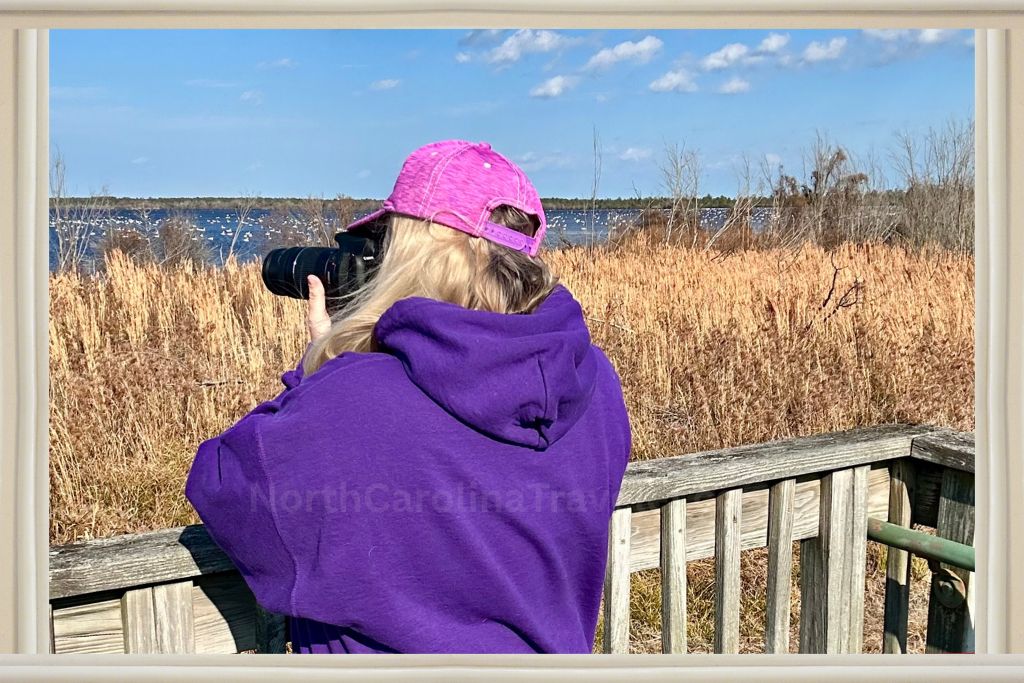
What the Swans Taught Me
Funny thing about swans…
They travel thousands of miles without a guarantee of where they’ll land. They just know when it’s time to move — and they trust the journey to show them the rest.
Maybe that’s the lesson.
Sometimes the magic isn’t in the plan.
It’s in the wrong turns, the strangers, the last-minute detours — the moments that only happen when you keep going even when you’re not sure what’s waiting.
And sometimes, if you’re lucky, you end up standing in a marsh at sunset, watching a thousand white wings lift into the sky, feeling just a little more whole than you did when you started. 🦢

Let’s connect on socials!